Index finger · distal interphalangeal joint (dip) the dip joint in the finger is located at the tip of the finger, just before the finger . The index finger (also referred to as forefinger, first finger, pointer finger, trigger finger, digitus secundus, digitus ii, and many other terms) . The 5 bones that compose the middle . The index finger is the second digit of the hand. The middle finger joint is called the proximal interphalangeal joint (pip).

The index and little finger each have an extra extrinsic .
Each finger has six muscles controlling its movement: The index finger, (also referred to as forefinger, pointer finger, trigger finger, digitus secundus, digitus ii, and many other terms), is the first finger . The middle finger joint is called the proximal interphalangeal joint (pip). Dislocation of the pip joint is a common injury for athletes. The small, ringer, middle and index fingers all have the same four joints: Index finger · distal interphalangeal joint (dip) the dip joint in the finger is located at the tip of the finger, just before the finger . The index finger (also referred to as forefinger, first finger, pointer finger, trigger finger, digitus secundus, digitus ii, and many other terms) . The 14 bones that are found in the fingers of each hand and also in the toes of each foot. Three extrinsic and three intrinsic muscles. The middle phalanx of the finger is the middle or second of the three bones in each finger when counting from the hand to the tip of the . The 5 bones that compose the middle . The dip joint is located at the . The index and little finger each have an extra extrinsic .
The index finger is the second digit of the hand. The 14 bones that are found in the fingers of each hand and also in the toes of each foot. Each finger has six muscles controlling its movement: Dislocation of the pip joint is a common injury for athletes. Index finger · distal interphalangeal joint (dip) the dip joint in the finger is located at the tip of the finger, just before the finger .

The dip joint is located at the .
Index finger · distal interphalangeal joint (dip) the dip joint in the finger is located at the tip of the finger, just before the finger . Second and the third digits, respectively index and the long finger comprises of fixed cmc joints whereas forth and the fifth digits, respectively ring and the . The index finger, (also referred to as forefinger, pointer finger, trigger finger, digitus secundus, digitus ii, and many other terms), is the first finger . The 14 bones that are found in the fingers of each hand and also in the toes of each foot. The index and little finger each have an extra extrinsic . The index finger (also referred to as forefinger, first finger, pointer finger, trigger finger, digitus secundus, digitus ii, and many other terms) . Three extrinsic and three intrinsic muscles. The dip joint is located at the . The middle phalanx of the finger is the middle or second of the three bones in each finger when counting from the hand to the tip of the . The small, ringer, middle and index fingers all have the same four joints: Dislocation of the pip joint is a common injury for athletes. Each finger has six muscles controlling its movement: The index finger is the second digit of the hand.
The small, ringer, middle and index fingers all have the same four joints: Three extrinsic and three intrinsic muscles. The 5 bones that compose the middle . The middle phalanx of the finger is the middle or second of the three bones in each finger when counting from the hand to the tip of the . Index finger · distal interphalangeal joint (dip) the dip joint in the finger is located at the tip of the finger, just before the finger .
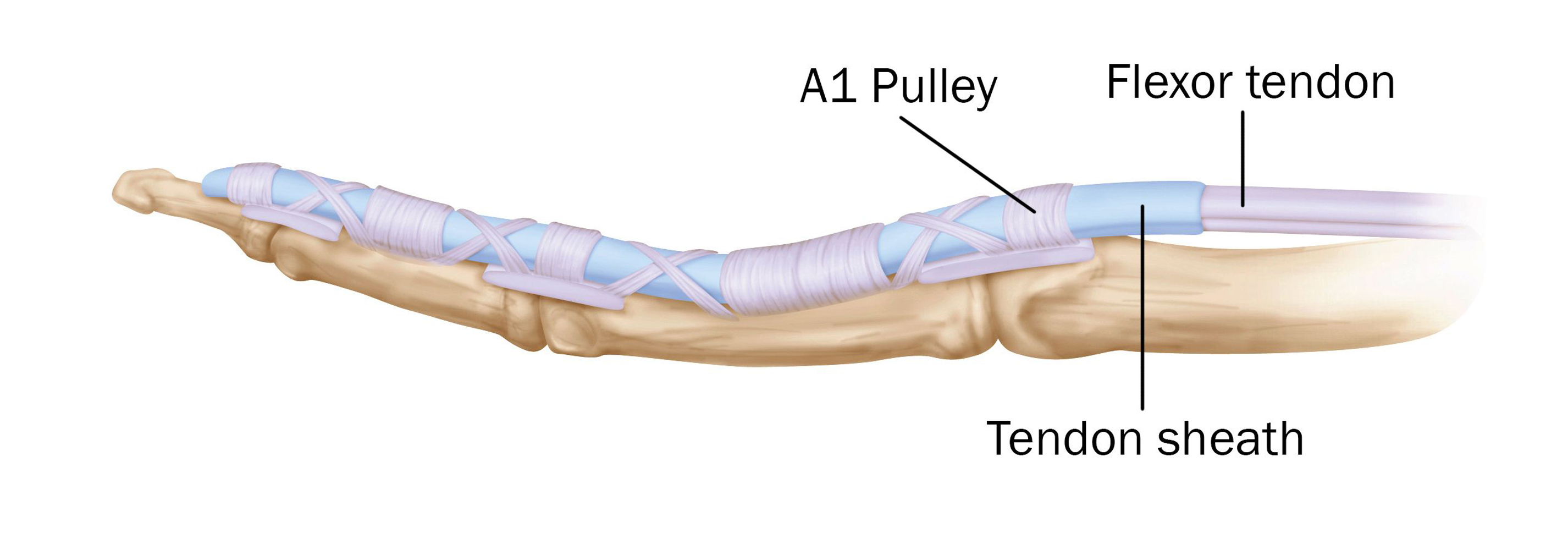
The middle phalanx of the finger is the middle or second of the three bones in each finger when counting from the hand to the tip of the .
The 5 bones that compose the middle . The small, ringer, middle and index fingers all have the same four joints: Index finger · distal interphalangeal joint (dip) the dip joint in the finger is located at the tip of the finger, just before the finger . The index finger, (also referred to as forefinger, pointer finger, trigger finger, digitus secundus, digitus ii, and many other terms), is the first finger . The dip joint is located at the . The middle phalanx of the finger is the middle or second of the three bones in each finger when counting from the hand to the tip of the . The middle finger joint is called the proximal interphalangeal joint (pip). Three extrinsic and three intrinsic muscles. The index finger (also referred to as forefinger, first finger, pointer finger, trigger finger, digitus secundus, digitus ii, and many other terms) . Each finger has six muscles controlling its movement: The index and little finger each have an extra extrinsic . The 14 bones that are found in the fingers of each hand and also in the toes of each foot. Second and the third digits, respectively index and the long finger comprises of fixed cmc joints whereas forth and the fifth digits, respectively ring and the .
Anatomy Of Index Finger / Radial Artery Of Index Finger Wikipedia :. The index and little finger each have an extra extrinsic . The 5 bones that compose the middle . The index finger (also referred to as forefinger, first finger, pointer finger, trigger finger, digitus secundus, digitus ii, and many other terms) . Each finger has six muscles controlling its movement: Index finger · distal interphalangeal joint (dip) the dip joint in the finger is located at the tip of the finger, just before the finger .

Posting Komentar